Six ingredients. No cooking. Ten minutes. That’s the whole recipe.
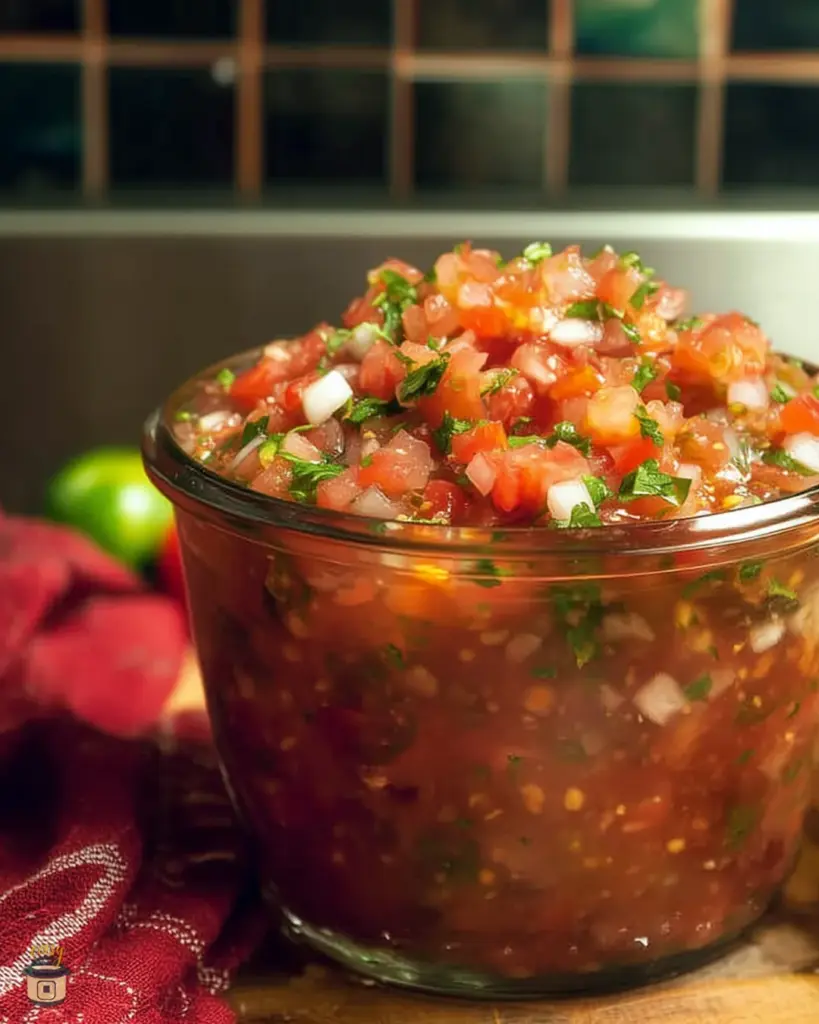
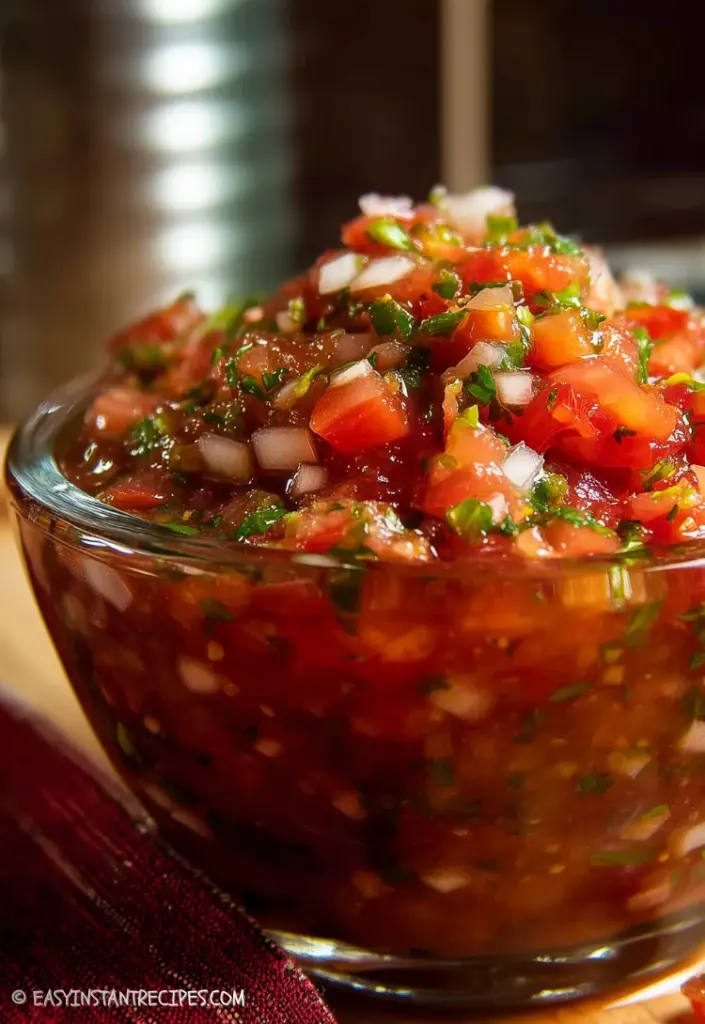
Pico de gallo is one of those things that’s so simple it almost doesn’t feel like a recipe, but the order you put it together and the quality of what you use makes a real difference. A good pico is bright and fresh with a little heat and just enough lime to make everything pop. A bad one is watery, bland, or too onion-heavy. The difference is mostly in the details.
This version uses the right ratio — heavy on the tomato, balanced on the onion, enough jalapeño to notice, fresh lime, cilantro, and salt. Nothing else. That’s what pico is supposed to be.
Jump to RecipeThe tomatoes matter more than anything else
This is not a recipe where you can use whatever tomatoes are sitting in the back of the fridge. Pico de gallo is essentially a raw tomato salsa, so the tomatoes need to be ripe — deep red, a little soft when you press them, actually smelling like tomatoes. Roma tomatoes work well because they have less water and more flesh, which keeps the pico from turning soupy. Vine-ripened tomatoes are good too. Cherry tomatoes, halved and quartered, are excellent if that’s what you have.
Skip the pale pink tomatoes that are hard as a baseball. They have almost no flavor, and no amount of lime juice fixes that.
Seed the tomatoes before you chop them if you want a cleaner, less watery result. Just cut them in half, squeeze gently over the sink, and most of the seeds and liquid come right out. It’s a small step that makes a noticeable difference.
Start with the onion, lime, and salt
This is the part most recipes skip over, but it matters. Before you add anything else, combine the chopped white onion, jalapeño, lime juice, and salt in the bowl and let it sit for a minute or two. The acid from the lime starts to mellow the raw bite of the onion and the heat of the pepper. The salt starts drawing out a little moisture.
White onion is traditional and the right call here. It’s sharper than yellow onion, which gives the pico more contrast against the sweet tomatoes. Red onion works in a pinch and adds some color. Yellow onion is too mild and gets lost.
Finely chop the onion — you want small pieces that distribute evenly through every bite, not big chunks that overwhelm a spoonful.
Jalapeño vs. serrano
Both work. Jalapeños are milder and more widely available. Serranos are smaller and noticeably hotter — a single serrano has roughly three times the heat of a jalapeño. Either way, remove the seeds and ribs before chopping if you want moderate heat. Leave them in if you want it spicy. Start with one pepper and taste before adding more.
The heat level in pico should be present but not overwhelming. You want a little warmth on the back of your throat, not something that drowns out the tomatoes.
Fresh lime juice only
Bottled lime juice works in cooked recipes where the flavor gets built into a sauce. In pico de gallo, where the lime is front and center, fresh makes a clear difference. Two limes will get you close to a quarter cup of juice. Roll them on the counter before cutting to get more juice out.
Cilantro — how to handle it
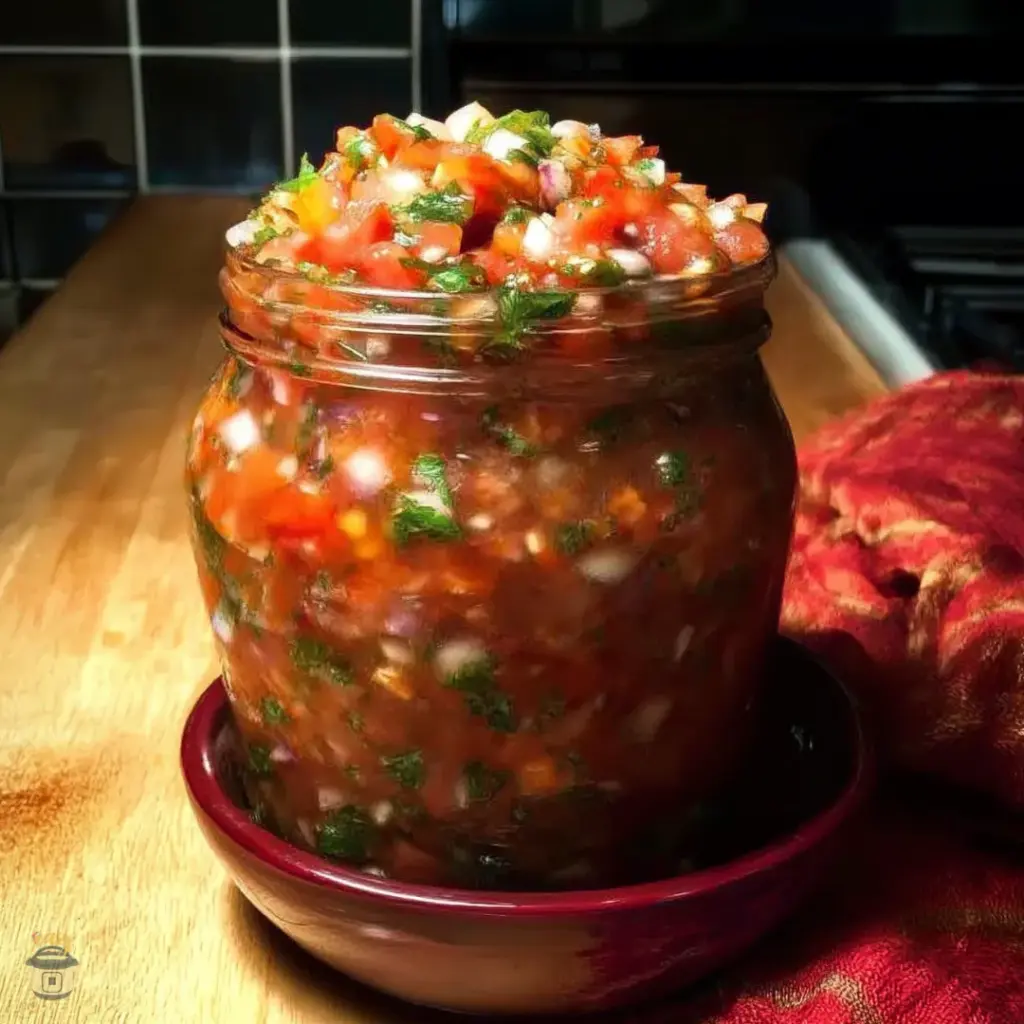
Add the cilantro last, after everything else is mixed. It’s delicate and bruises easily, so it goes in at the end with a gentle fold rather than a hard stir.
Use the leaves and the tender upper stems — the thicker lower stems are woody and taste different. Roughly chop the cilantro rather than mincing it fine; small pieces are good, but you want a little texture.
If you or someone you’re cooking for doesn’t like cilantro, you can leave it out. The pico is still good without it, though it does taste noticeably different. A small amount of flat-leaf parsley is a reasonable substitute for the fresh herb element.
Let it sit before you serve it
You can eat pico immediately and it’s good. But if you cover it and let it rest in the fridge for 20–30 minutes, the flavors come together in a way they don’t right after mixing. The tomatoes release a little juice that combines with the lime and salt into a light, savory brine that coats everything. It’s worth the wait when you have time.
Give it a final taste before serving and adjust — a little more salt, a little more lime if it needs brightening, maybe a few more pieces of jalapeño if the heat got lost.
What to serve it with
Tortilla chips are the obvious answer. But pico de gallo is also good spooned over grilled chicken, fish tacos, scrambled eggs, or a plain cheese quesadilla. A scoop on top of black beans and rice works well. It’s also good alongside guacamole — the brightness of the pico cuts through the richness of the avocado.
Don’t use it as a cooking ingredient. It’s a fresh condiment and the texture and flavor are designed for that. If you heat it, the tomatoes break down and you lose what makes it good.
Storing leftovers
Pico de gallo keeps in the fridge in an airtight container for about 2–3 days. It gets more liquid as it sits because the salt continues drawing moisture out of the tomatoes. That’s normal — just drain some of the liquid off before serving if it looks too watery. The flavor actually deepens a little on day two.
Don’t freeze it. The tomatoes turn to mush when thawed and the whole texture falls apart.
Common questions
Can I use lemon instead of lime? You can. The flavor will be slightly different — a little less tropical, a bit more tart — but it still works. Fresh is still the requirement either way.
Can I use canned tomatoes? No. Pico de gallo is a fresh salsa — the whole point is raw ingredients. Canned tomatoes are cooked and will give you something closer to a jar salsa.
How do I make it less spicy? Remove all the seeds and ribs from the jalapeño, and start with half a pepper instead of a whole one. Taste as you go. You can always add more heat but you can’t take it away.
My pico is watery. How do I fix it? Seed the tomatoes before chopping next time. If it’s already made and watery, drain off the excess liquid with a slotted spoon before serving. It won’t hurt the flavor.
Can I make it ahead? Yes — up to a day ahead is fine. Make it, cover it, refrigerate it. Drain any excess liquid and give it a stir before serving. A fresh squeeze of lime right before serving brings it back to life.
Authentic Pico de Gallo Recipe: A Fresh Mexican Salsa Delight
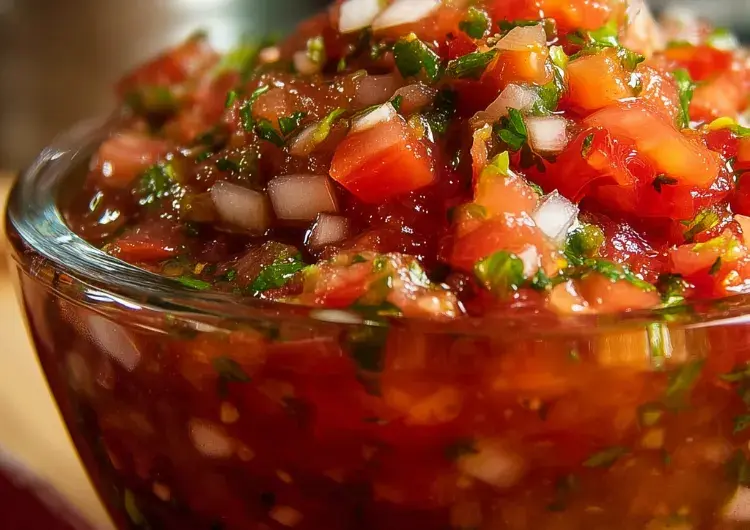
A fresh tomato salsa made with six ingredients and zero cooking. Ripe tomatoes, white onion, jalapeño, cilantro, lime juice, and salt—that’s it. Ready in 10 minutes.
6
servings10
minutes0
minutes25
kcal10
minutesIngredients
1½ lbs 1½ ripe red tomatoes, seeded and chopped (about 4 large or 8 small)
1 cup 1 white onion, finely chopped (about 1 small onion)
1 1 jalapeño or serrano pepper, seeds and ribs removed, finely chopped
½ cup ½ fresh cilantro, roughly chopped
¼ cup ¼ fresh lime juice (about 2 limes)
¾ teaspoon ¾ fine sea salt, plus more to taste
Directions
- In a medium bowl, combine the chopped onion, jalapeño, lime juice, and salt. Stir and let sit for 1–2 minutes.
- Add the chopped tomatoes and stir gently to combine.
- Fold in the cilantro.
- Taste and adjust—more salt if needed, more lime if it needs brightening, more jalapeño if you want more heat.
- Serve immediately, or cover and refrigerate for 20–30 minutes to let the flavors come together. Stir and drain any excess liquid before serving.
Notes
- Seed the tomatoes before chopping to prevent a watery pico—cut in half and squeeze gently over the sink.
- White onion is traditional and has more bite than yellow. Finely chop so it distributes evenly.
- Serrano peppers are hotter than jalapeños—use one serrano or one jalapeño depending on your heat preference.
- Fresh lime juice only—bottled tastes noticeably different in a raw salsa.
- Add cilantro last and fold gently—it bruises easily.
- Keeps in the fridge in an airtight container for 2–3 days. Drain excess liquid before serving on day 2+.