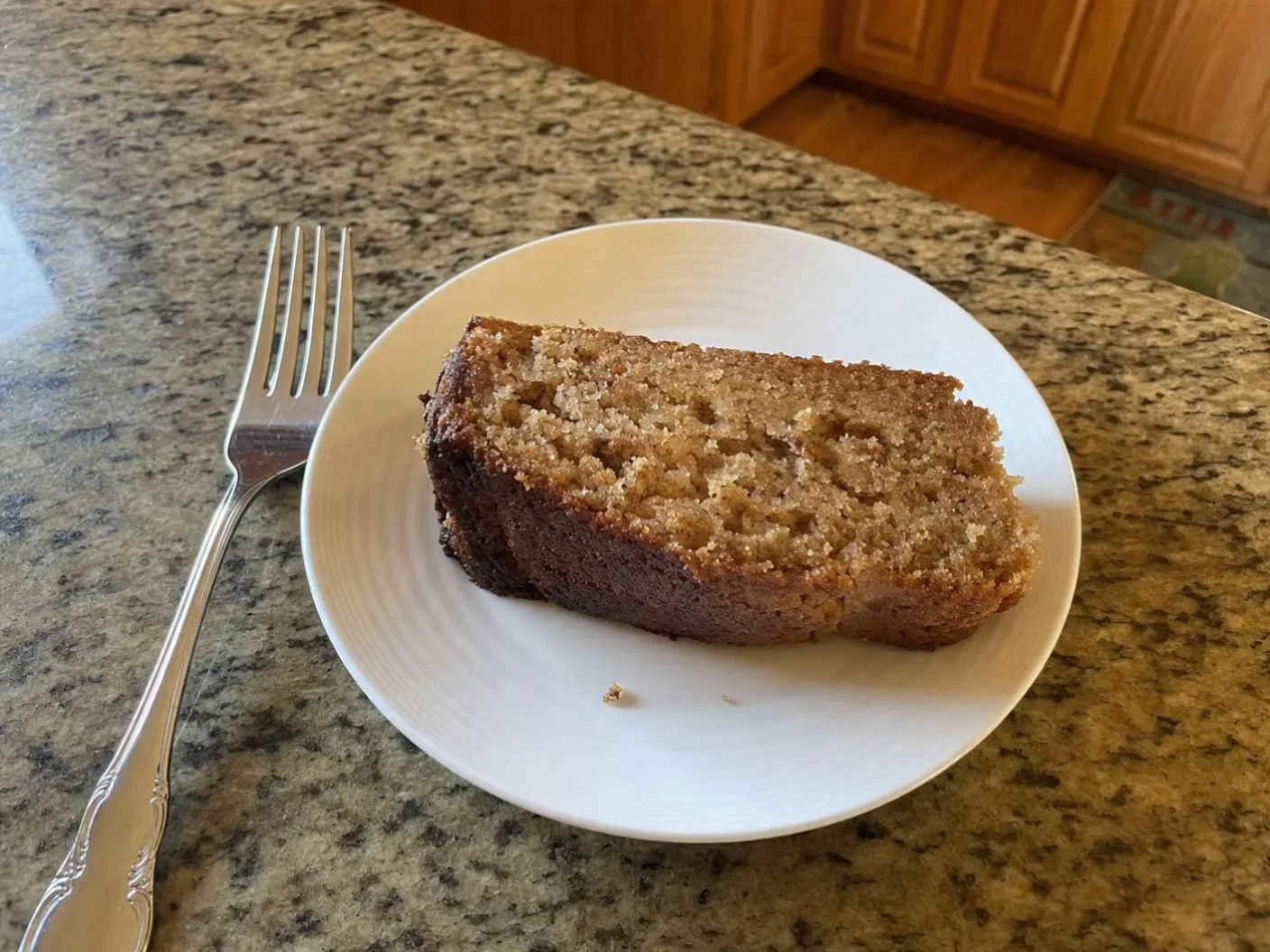
This Amish applesauce cake is the kind of recipe that earns a permanent spot in your rotation after the very first bite. It comes together with simple pantry staples, bakes into something deeply moist and warmly spiced, and tastes like it took far more effort than it actually did. If you love old fashioned cake recipes that deliver real flavor without any fuss, this one belongs in your kitchen.
Why You’ll Love This Recipe
- Incredibly moist texture. The applesauce keeps every bite tender and soft, even a day or two after baking.
- Warm, balanced spice. Cinnamon, nutmeg, and cloves work together without any single one overpowering the others.
- No complicated technique required. You cream the butter and sugar, mix in the wet ingredients, fold in the dry, and you’re done.
- Bakes in a 9×13 pan. No layering, no torting, no special equipment needed.
- Fits any season. This is a natural fit for fall baking recipes, but it’s just as satisfying pulled out of the oven on a cold February afternoon.
What Makes This an Amish Applesauce Cake
Traditional Amish baking is rooted in practicality and honest flavor. Recipes from that tradition tend to rely on ingredients that are already on hand — flour, sugar, eggs, butter, and preserved or stored fruit like applesauce. There’s no reliance on boxed mixes or artificial flavoring. Everything earns its place.
This cake reflects that philosophy exactly. The ingredient list is short, the method is straightforward, and the result is a genuinely satisfying homemade dessert. It’s the kind of thing that fits naturally alongside Old-Fashioned Oatmeal Cake or Grandma’s Old-Fashioned Pound Cake — recipes built on technique and quality rather than shortcuts. Check out our related guide for more tips.
The spice blend here — cinnamon, nutmeg, and cloves — is classic American farmhouse baking. These warm spices have been used in home kitchens for generations because they complement fruit-forward batters so well, adding depth without sweetness.
The Role of Applesauce in This Cake
Applesauce does a lot of heavy lifting in this recipe. It adds moisture, contributes a mild apple flavor, and helps create a tender crumb by keeping the gluten from overdeveloping. This is why the cake stays soft even after it cools completely.
One cup of applesauce is the sweet spot here. It’s enough to make the cake noticeably moist without making the batter too wet or causing the center to sink. You want unsweetened applesauce so you’re in control of the sugar level — the recipe already calls for 1½ cups of granulated sugar, which is the right amount for this size cake.
It’s worth noting that applesauce is often discussed as an egg substitute in baking, and while that’s true in some recipes, this cake uses both applesauce and two whole eggs. The eggs provide structure and lift, while the applesauce handles moisture and tenderness. They’re doing different jobs, and both are necessary.
Ingredients You’ll Need
- 2½ cups all-purpose flour
- 1½ cups granulated sugar
- 1 cup applesauce
- ½ cup butter, softened
- 2 eggs
- 1 tsp vanilla extract
- 1 tsp baking soda
- 1 tsp cinnamon
- ½ tsp nutmeg
- ¼ tsp cloves
- ½ tsp salt
How to Make Amish Applesauce Cake
Step 1: Prep Your Pan and Oven
Preheat your oven to 350°F and grease a 9×13-inch baking dish. Getting this done first means you’re not scrambling once the batter is mixed and ready to go.
Step 2: Cream the Butter and Sugar
Beat the softened butter and granulated sugar together until the mixture is light and fluffy. This step matters more than it might seem — properly creamed butter and sugar creates tiny air pockets that help the cake rise evenly and develop a good crumb.
Make sure your butter is truly softened, not melted and not cold. It should give easily when pressed but still hold its shape. Cold butter won’t cream properly, and melted butter will make the batter dense and greasy.
Step 3: Add the Eggs and Wet Ingredients
Add the eggs one at a time, mixing well after each addition. Adding them separately gives each egg time to fully incorporate into the batter, which helps with both texture and structure.
Once the eggs are in, mix in the applesauce and vanilla extract. The batter may look slightly curdled at this stage — that’s normal. It will come together once the dry ingredients are added.
Step 4: Combine the Dry Ingredients Separately
In a separate bowl, whisk together the flour, baking soda, cinnamon, nutmeg, cloves, and salt. Mixing the dry ingredients on their own before adding them to the wet ensures the leavening and spices are evenly distributed throughout the batter.
Uneven distribution of baking soda can cause the cake to rise unevenly or leave you with pockets that taste slightly bitter. A quick whisk in a separate bowl takes ten seconds and prevents that problem.
Step 5: Mix Just Until Combined
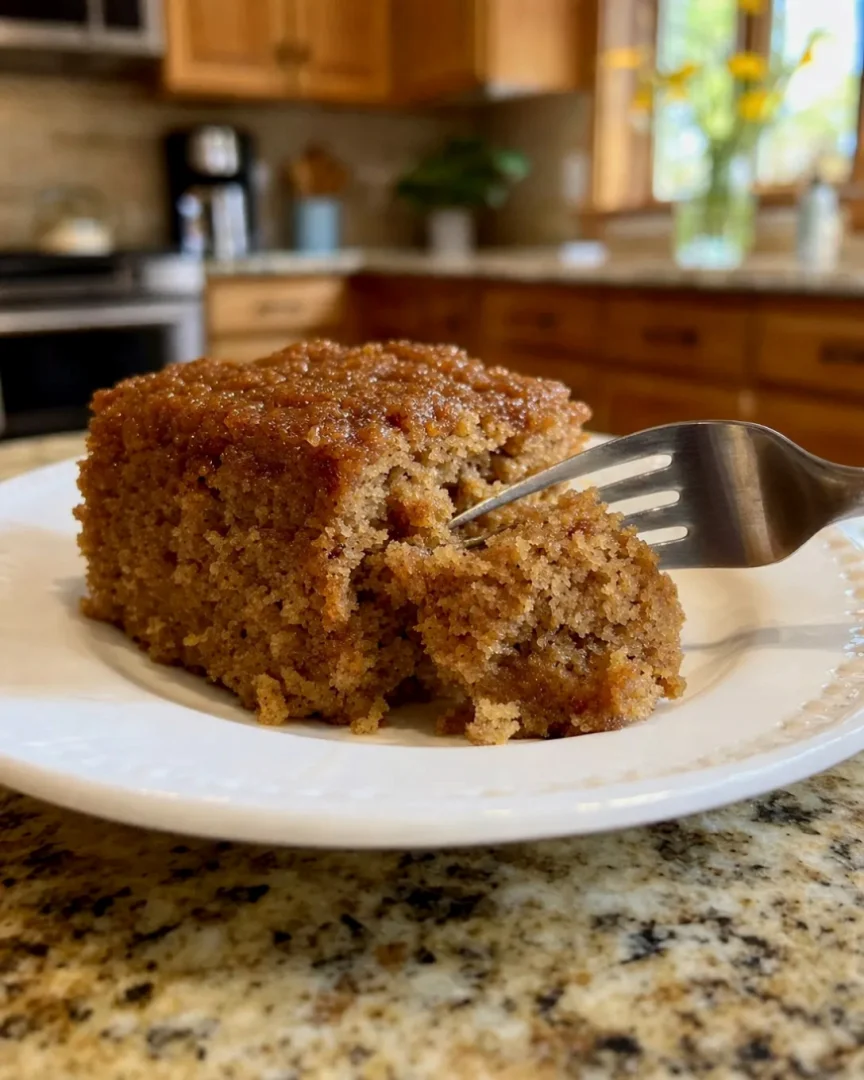
Add the dry ingredients to the wet ingredients and mix just until no dry streaks remain. Overmixing at this stage develops the gluten in the flour, which can make the cake tough and chewy instead of tender. A few gentle folds with a spatula or a short mix on low speed is all you need.
Step 6: Let the Batter Rest
This step is easy to skip, but you shouldn’t. Let the batter rest for 10 minutes before pouring it into the pan. During this time, the baking soda begins to react with the moisture in the batter, and the flour has a chance to fully hydrate.
The result is a more even rise and a slightly better crumb structure. It’s a small detail that makes a real difference in the finished cake.
Step 7: Bake and Cool
Pour the rested batter into your greased 9×13 dish and bake at 350°F for 35 to 40 minutes. Start checking at the 35-minute mark by inserting a toothpick into the center — it should come out clean or with just a few moist crumbs attached.
Let the cake cool completely before slicing. Cutting into a warm cake causes the crumb to compress and tear, and you lose that clean, tender slice. Patience here pays off.
Key Tips for the Best Results
Use Room Temperature Ingredients
Softened butter and room temperature eggs blend together more smoothly than cold ones. If your eggs are straight from the refrigerator, set them in a bowl of warm water for five minutes before using them.
Don’t Skip the Resting Step
The 10-minute rest before baking is written into this recipe for a reason. It’s a technique rooted in traditional Amish baking and helps the batter settle and the leavening activate properly before heat is applied.
Measure Your Flour Correctly
Spoon the flour into your measuring cup and level it off with a straight edge rather than scooping directly from the bag. Scooping compacts the flour and can add significantly more than the recipe calls for, which leads to a dry, dense cake.
Check Your Spices
Ground spices lose their potency over time. If your cinnamon, nutmeg, or cloves have been sitting in the cabinet for more than a year, they may not deliver the warm flavor this cake is known for. Fresh spices make a noticeable difference in a warm spice cake with cinnamon and nutmeg at the center of its flavor profile.
Topping and Serving This Cake
This cake is genuinely good on its own — the crumb is moist, the spice is present, and the sweetness is well-balanced. A light dusting of powdered sugar is a simple finish that works beautifully without adding much.
If you want a frosted version, a classic cream cheese frosting pairs naturally with the warm spices. The slight tang cuts through the sweetness and complements the apple flavor in the cake. Applesauce spice cake with cream cheese frosting is a combination that shows up in farmhouse kitchens for a reason — it works.
For more comfort food desserts built on the same simple, honest approach, take a look at Old-Fashioned Molasses Cookies or Old-Fashioned Sock-It-To-Me Cake — both are rooted in the same tradition of straightforward, satisfying baking.
If you want to understand more about how applesauce functions as a fat and moisture source in baking, Serious Eats has well-researched breakdowns of ingredient science that can help you understand why these substitutions and techniques work the way they do. The King Arthur Baking Company is also an excellent resource for understanding flour measurement, leavening, and batter hydration — all relevant to getting this cake exactly right.
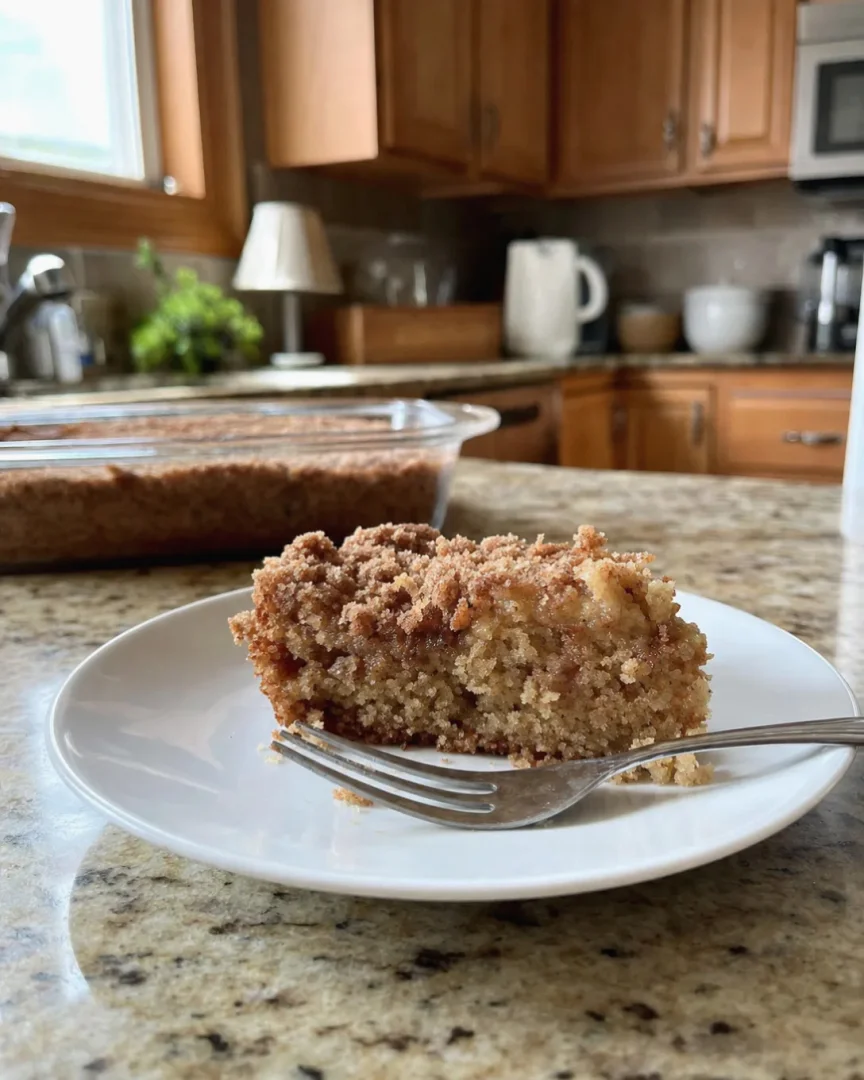
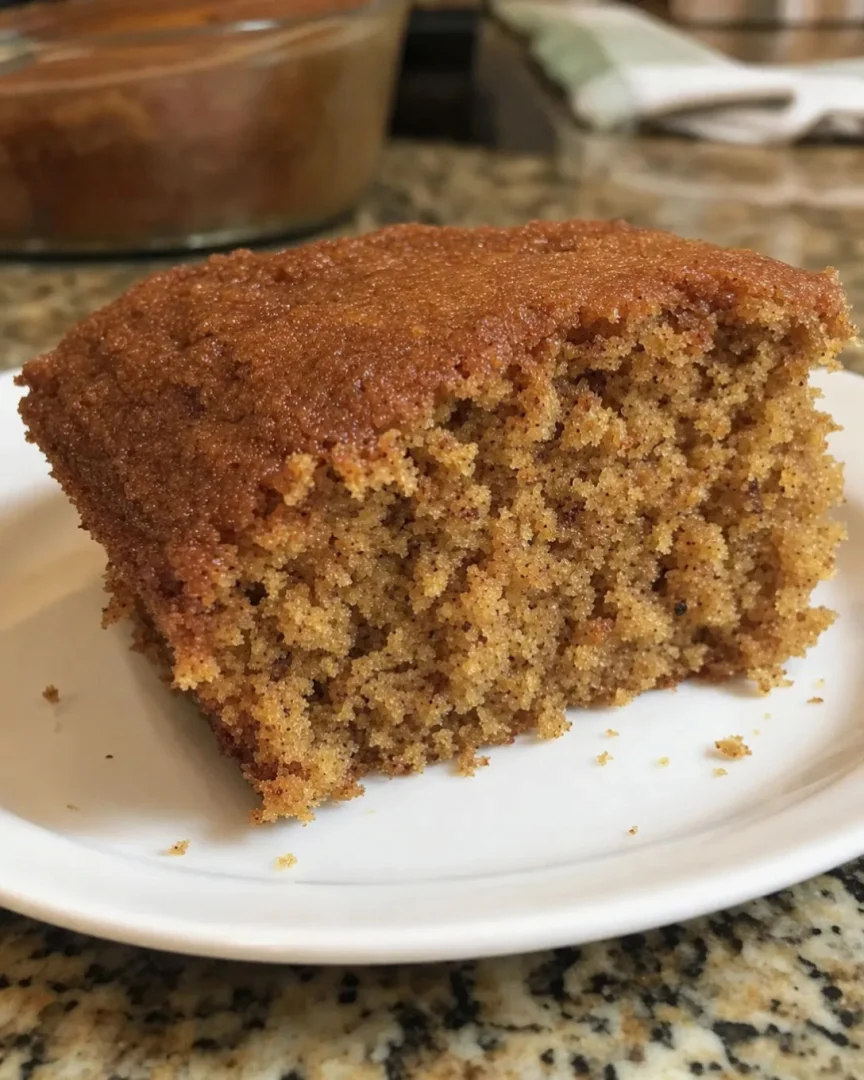
Amish Applesauce Cake
A deeply moist and warmly spiced old-fashioned cake made with simple pantry staples. The applesauce keeps every bite tender and soft, while cinnamon, nutmeg, and cloves provide balanced warmth. Bakes in a 9x13 pan with no complicated technique required.
Ingredients
- 2½ cups all-purpose flour
- 1½ cups granulated sugar
- 1 cup unsweetened applesauce
- ½ cup butter, softened
- 2 eggs
- 1 tsp vanilla extract
- 1 tsp baking soda
- 1 tsp cinnamon
- ½ tsp nutmeg
- ¼ tsp cloves
- ½ tsp salt
Directions
Preheat your oven to 350°F and grease a 9x13-inch baking dish.
Beat the softened butter and granulated sugar together until the mixture is light and fluffy.
Add the eggs one at a time, mixing well after each addition.
Mix in the applesauce and vanilla extract. The batter may look slightly curdled at this stage — that is normal.
In a separate bowl, whisk together the flour, baking soda, cinnamon, nutmeg, cloves, and salt.
Add the dry ingredients to the wet ingredients and mix just until no dry streaks remain. Do not overmix.
Let the batter rest for 10 minutes before pouring it into the pan.
Pour the rested batter into your greased 9x13 dish and bake at 350°F for 35 to 40 minutes, until a toothpick inserted into the center comes out clean or with just a few moist crumbs attached.
Let the cake cool completely before slicing and serving.